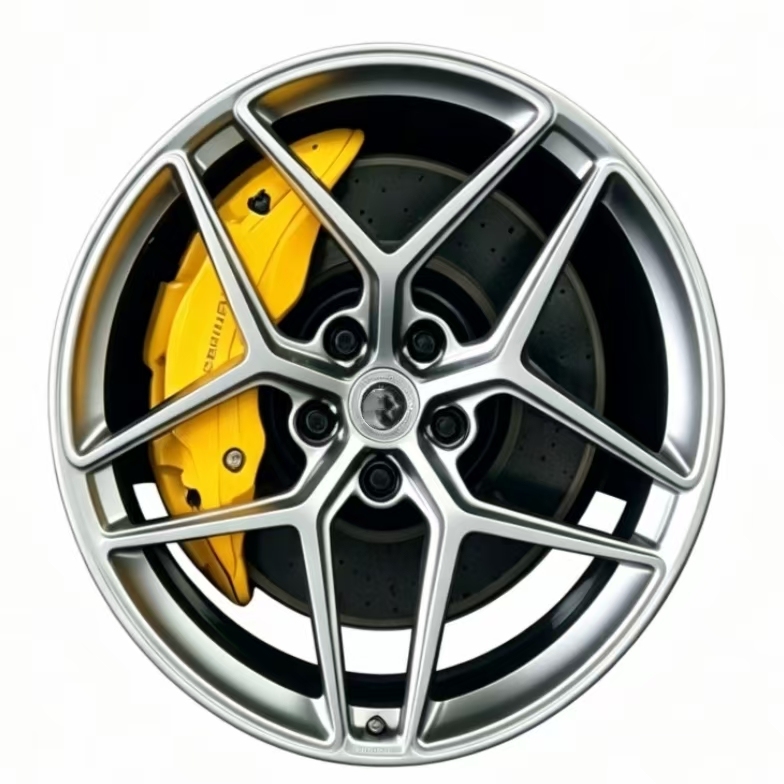
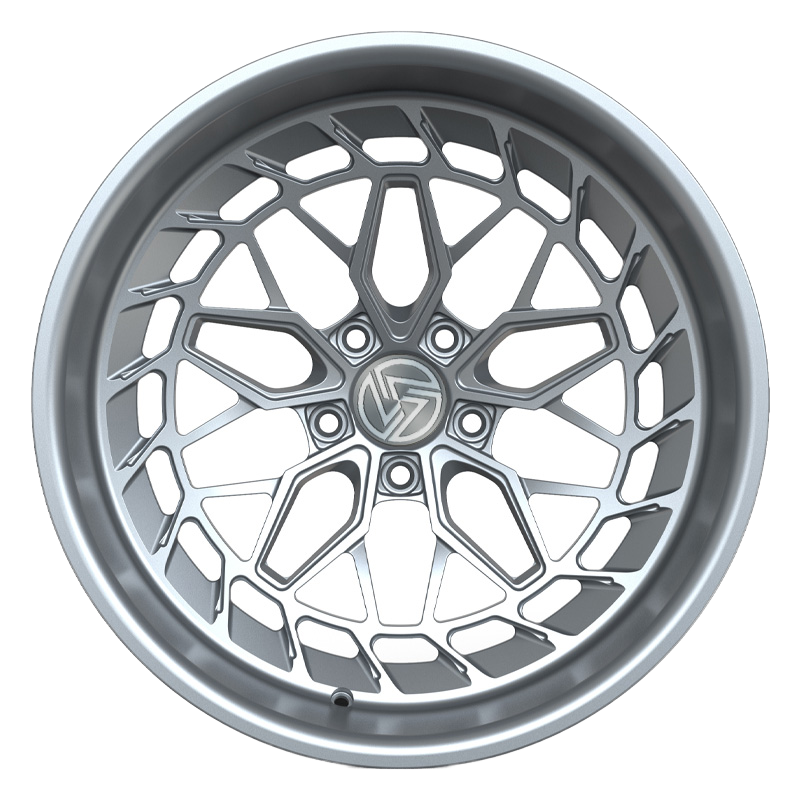
From Order to Shipment: Where Lead Time Actually Goes
Fitment confirmation, artwork and finish approval, forging, machining, finishing, QC and packing — the stages that decide your ship date.
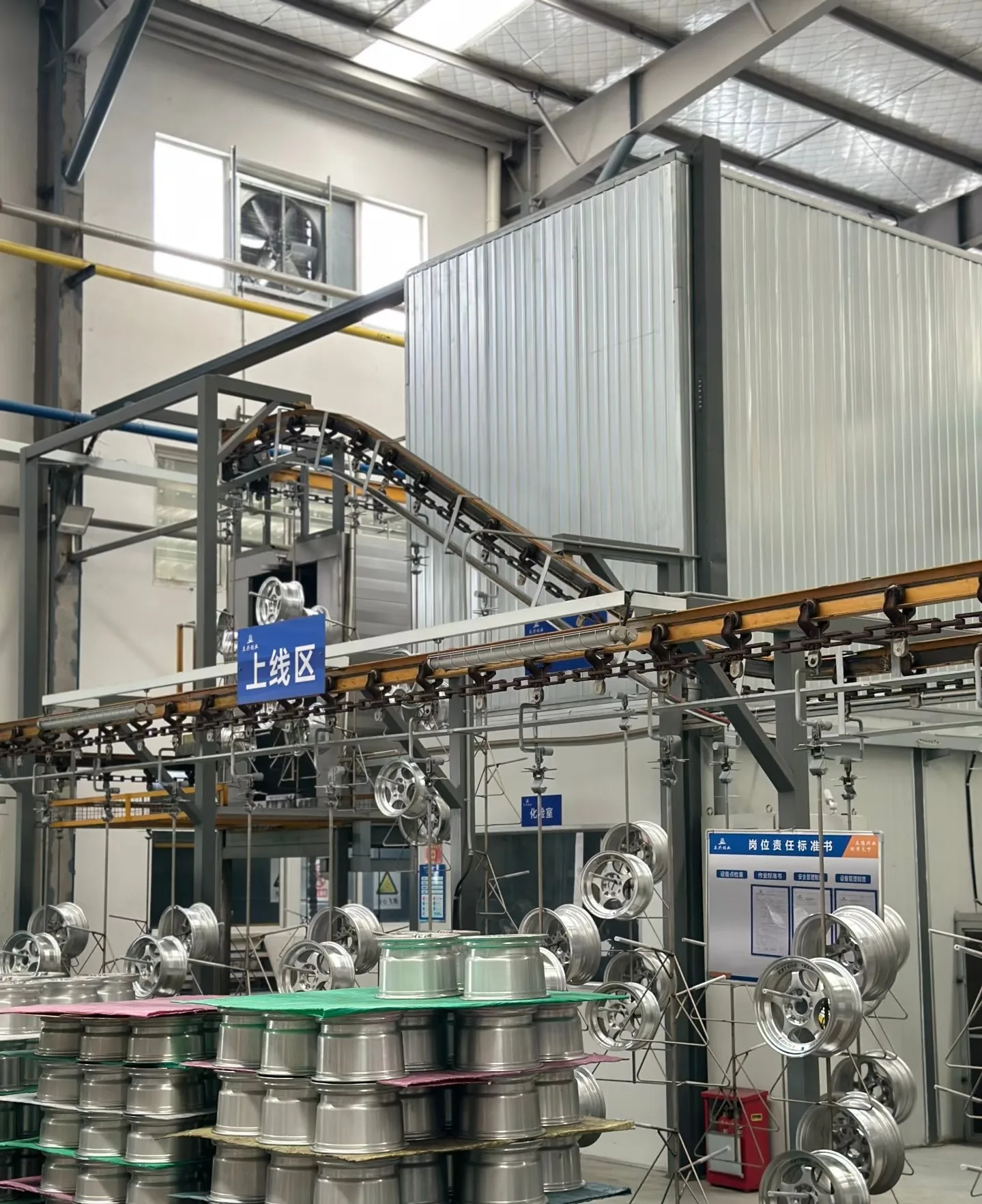
Lead time is not one number. It is a chain of stages, and the fastest way to lose a week is to start the chain before the specification is final.
1. Specification and fitment confirmation
The clock should not start until size, width, offset, PCD, center bore and load target are confirmed in writing. Changes after forging begins are expensive and slow.
2. Finish and artwork approval
Colour, finish and any branding or packaging artwork need an approved reference. If a sample is required, it adds a production loop — plan for it rather than discovering it.
3. Forging
Blanks are forged, then heat treated to temper. This stage is scheduled by press time and is planned around the order queue.
4. Machining
Faces, lips, bolt holes and the center bore are machined to the approved figures. Custom offset and PCD add machining time compared with a stock configuration.
5. Finishing
Paint, powder coat, brushing, polishing and assembly of multi-piece wheels. Hand finishes are the least predictable stage in the chain.
6. QC and packing
Inspection, then boxing and palletizing. Poorly planned packing can add days at the end, especially for mixed-model orders.
The two fastest ways to shorten a schedule: confirm the specification early, and approve artwork before production starts.
What to ask before you order
Ask how lead time is calculated, what happens when a stage slips, and what is excluded — for example time you spend approving samples or artwork. Then put the agreed schedule in the order confirmation.
Send your target ship date with the specification and sales will confirm what is achievable for that configuration.